Post-Operative Instructions
Your Healing Is Our Priority
Following your after-care instructions carefully is one of the most important things you can do for a smooth, comfortable recovery. The guidelines below are organized by procedure so you can quickly find the information that applies to you.
These instructions cover what to expect, how to manage discomfort, what to eat, and when to reach out to our team. Every patient heals differently — if you have questions at any point, please don’t hesitate to call us at 903-583-7786.
Find Your Procedure

Tooth Extraction
What to expect after having a tooth removed, including how to control bleeding, reduce swelling, and protect the healing site.

Extraction with Bone Graft
Special care instructions for extractions that include bone grafting material to preserve your jawbone for future treatment.

Root Canal Therapy
Recovery guidance after root canal treatment, including pain management and the importance of scheduling your crown promptly.
Crown Placement
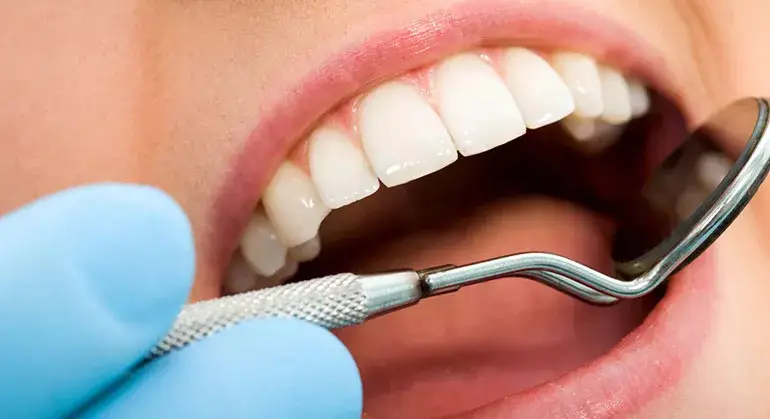
How to care for your new dental crown, what to eat, and what to do if your temporary crown comes loose before your permanent one is ready.

Composite (White) Fillings
What to expect after receiving a tooth-colored filling, including sensitivity, eating guidelines, and when to contact us.

Periodontal Therapy (Scaling & Root Planing)
Recovery guidance after root canal treatment, including pain management and the importance of scheduling your crown promptly.
Nitrous Oxide (Pre & Post Instructions)
How to prepare before your appointment and what to expect afterward when nitrous oxide (laughing gas) is used for comfort during treatment.

When to Call Us Immediately
Most post-operative symptoms are normal and temporary. However, please contact our office right away if you experience any of the following:
- Bleeding that does not stop after 30 minutes of firm gauze pressure
- Swelling that increases after 72 hours instead of improving
- Difficulty breathing or swallowing
- Pus or foul-tasting discharge from the treatment site
- Severe or worsening pain not relieved by prescribed medication
- Fever above 101°F (38.3°C)
- Numbness that lasts longer than 24 hours after your procedure
- A temporary crown or filling that falls out
When in doubt, call us.
Our Services
Heading Title 1
Heading Title 1
Heading Title 1
Frequently Asked Questions
How long does pain last after a tooth extraction?
Mild to moderate discomfort is normal for 3 to 5 days after a tooth extraction. Pain should gradually decrease each day. If pain worsens after day 3 instead of improving, contact our office at 903-583-7786 as this could indicate a dry socket or infection.
What can I eat after dental surgery?
Is bleeding normal after a tooth extraction?
Yes. Light bleeding or oozing is normal for the first 24 hours. Bite firmly on the gauze pad provided for 30 to 45 minutes. If bleeding continues, bite on a moistened tea bag for 30 minutes — the tannic acid helps with clotting. If heavy bleeding persists despite these steps, call our office immediately.
When should I call the dentist after a procedure?
Call our office at 903-583-7786 right away if you experience uncontrolled bleeding, severe pain not relieved by medication, swelling that worsens after 72 hours, fever above 101°F, difficulty breathing or swallowing, or numbness lasting more than 24 hours. When in doubt, it’s always better to call.
How do I care for a bone graft after extraction?
Avoid disturbing the surgical site. Do not spit forcefully, use a straw, or rinse vigorously for at least 72 hours. You may notice small granules in your mouth — this is normal and a small amount of graft material may come loose. Begin gentle warm salt water rinses after 24 hours. Avoid chewing on the affected side for at least two weeks, and follow all instructions from our team.
How soon do I need a crown after a root canal?
We recommend having your permanent crown placed within 2 to 4 weeks of completing root canal therapy. After a root canal, your tooth is more fragile and at higher risk of fracture. Delaying your crown can lead to the tooth cracking or breaking, which may require extraction. Please contact our office promptly to schedule your crown appointment.
Can I brush my teeth after dental work?
Yes — continue brushing your teeth, but be very gentle around the treatment area for the first few days. For surgical procedures like extractions, avoid brushing directly on the surgical site for 24 hours. Use a soft-bristled toothbrush with gentle motions. Resume flossing carefully, staying away from the treated area until your gums have healed.
How long does pain last after a tooth extraction?
Mild to moderate discomfort is normal for 3 to 5 days after a tooth extraction. Pain should gradually decrease each day. If pain worsens after day 3 instead of improving, contact our office at 903-583-7786 as this could indicate a dry socket or infection.
What can I eat after dental surgery?
For the first 24 to 48 hours, stick to soft, cool foods such as yogurt, applesauce, mashed potatoes, smoothies (without a straw), and scrambled eggs. Avoid hot foods, spicy foods, crunchy or hard items, and anything with small seeds. Gradually return to your normal diet as comfort allows over the following days.
Is bleeding normal after a tooth extraction?
Yes. Light bleeding or oozing is normal for the first 24 hours. Bite firmly on the gauze pad provided for 30 to 45 minutes. If bleeding continues, bite on a moistened tea bag for 30 minutes — the tannic acid helps with clotting. If heavy bleeding persists despite these steps, call our office immediately.
When should I call the dentist after a procedure?
Call our office at 903-583-7786 right away if you experience uncontrolled bleeding, severe pain not relieved by medication, swelling that worsens after 72 hours, fever above 101°F, difficulty breathing or swallowing, or numbness lasting more than 24 hours. When in doubt, it’s always better to call.
How do I care for a bone graft after extraction?
Avoid disturbing the surgical site. Do not spit forcefully, use a straw, or rinse vigorously for at least 72 hours. You may notice small granules in your mouth — this is normal and a small amount of graft material may come loose. Begin gentle warm salt water rinses after 24 hours. Avoid chewing on the affected side for at least two weeks, and follow all instructions from our team.
How soon do I need a crown after a root canal?
We recommend having your permanent crown placed within 2 to 4 weeks of completing root canal therapy. After a root canal, your tooth is more fragile and at higher risk of fracture. Delaying your crown can lead to the tooth cracking or breaking, which may require extraction. Please contact our office promptly to schedule your crown appointment.
Can I brush my teeth after dental work?
Yes — continue brushing your teeth, but be very gentle around the treatment area for the first few days. For surgical procedures like extractions, avoid brushing directly on the surgical site for 24 hours. Use a soft-bristled toothbrush with gentle motions. Resume flossing carefully, staying away from the treated area until your gums have healed.
We're Here for You